As the years go by, running a fleet in Singapore is getting more expensive by the day, and when it comes to reducing costs, there’s a lot of trial and error. But if you want to see faster results, you need to pair your strategies with a fleet management system. Effective fleet cost management requires technology that’ll point you to the exact area where you’re losing money.
Today we discuss the specific areas you need to look at to reduce your fleet running costs and show you how our fleet management system assists with this.
To reduce fleet costs, look into all the different aspects of fleet management, like vehicle health, fuel consumption, driver behaviour, and maintenance. From there, you’ll know which areas are costing you more than they should.
Here are 7 strategies you can implement to achieve cost efficiency:
Waiting until things break down so you can fix them is one of the reasons you have high fleet maintenance costs. This is because you’ll have to take out money that you didn’t plan for. You’ll also face a lot of unplanned downtime, which decreases productivity and affects your bottom line.
When it comes to maintenance, put proactive measures in place. This means following OEM-recommended service dates and ensuring drivers perform their daily vehicle inspections. Although, it’s not an easy task because with so much to do, it’s easy to forget. That’s where fleet management software comes in!
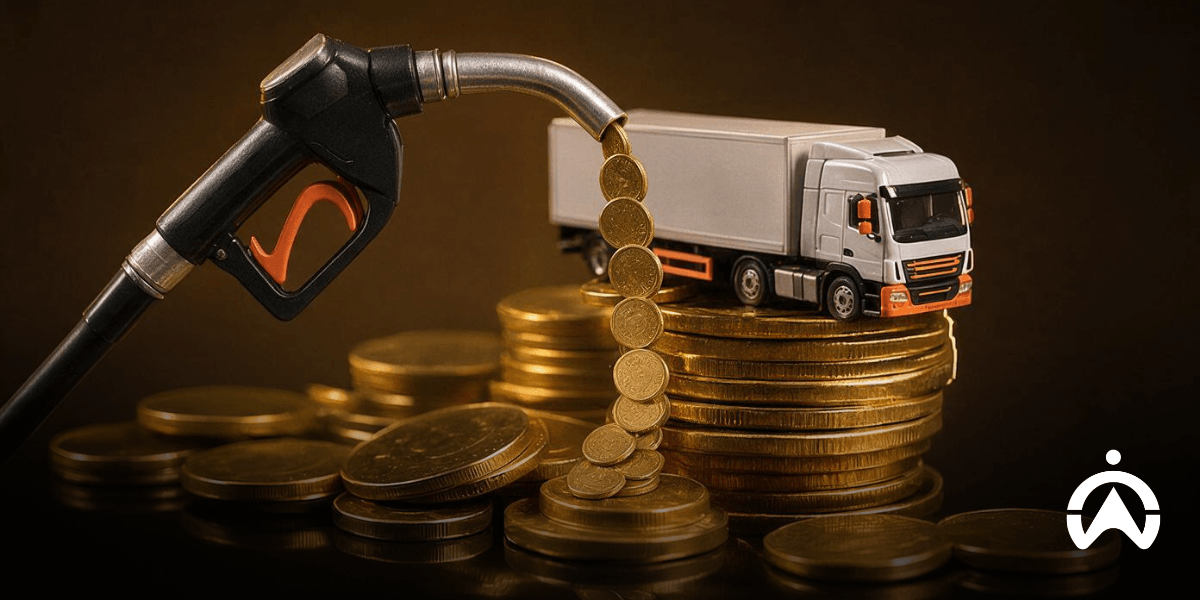
With fuel prices constantly fluctuating and geopolitical tensions significantly influencing inflation, you must ensure accuracy when it comes to accounting for fuel. Pay attention to fuel purchasing patterns so you can determine unnecessary spending. Take note of each vehicle's average litres per kilometre as well as their tank capacity, then compare the actual amount of fuel consumed to that.
Example: If one of your trucks travels 50 km daily and averages 25 litres per 100 km according to the manufacturer, then it should consume about 12.5 litres per day. However, according to the receipts you receive, the driver somehow always uses about 20 litres of fuel daily, which is way above the expected average. Something is suspicious, right? Exactly! This is why knowing the consumption average rates for each vehicle is so important.
If you want to keep up with other running costs like parking charges and ERP (Electronic Road Pricing) charges, get software that gives you an overview of all your fleet costs in one place. Keeping up with these costs using different spreadsheets makes it difficult for you to notice the total amount you’re spending every month. In fact, you might even forget to check some of them.
Road traffic accidents are on the rise in Singapore. According to the Singapore Institute of Technology, the total number of accidents that’ve resulted in injuries and fatalities rose to 3818 in the first half of 2025, compared to 3507 in the previous year. This is an 8.9% increase that every driver and fleet manager should be concerned about.
Accidents bring about a lot of unexpected repair and replacement costs, and to avoid that, you should install AI dashcams in each of your vehicles. AI-powered cameras detect unsafe driving habits like cellphone use & drowsiness, and then alert your drivers so they can quickly correct their actions before they cause accidents. This reduces your fleet’s accident rates, saving you from all those costs.
The only way to see how well your fleet is performing is by tracking key data metrics like vehicle utilisation rates, total cost of ownership and downtime rates. This way, you’ll have more insight into the expenses associated with operating your fleet and know what to look out for in future.
For example, you might realise that the types of vehicles you have are the reason your running costs are so high. You’ll know better and purchase more efficient vehicles in the future.
This leads us to our next point.
Analysing your fleet costs also means reviewing your vehicle acquisition strategy. A lot of business owners believe in making full vehicle purchases, forgetting that every fleet is different and not all vehicles need to be purchased. The data you receive should show you if purchasing your vehicles proves way more costly than renting or leasing, and vice versa.
Are the vehicles lasting long enough for the business to make a return on investment? Do you have more vehicles than required? These are questions you should be asking, and your data should reveal the answers.
There’s also the cost of DIPS (Driver Improvement Points System), where drivers are not only fined for bad driving but could also get their licences suspended if they get worse. That’s two different costs in one: the fines and being short-staffed due to suspended licences.
Drivers behave better when they understand the impact their habits make on profits. They know that if a company isn’t doing well financially, their jobs might be at risk. For this reason, educate your drivers on the financial risks of aggressive rapid acceleration and speeding. From there, you can organise regular training for them so they get tips on how to improve these habits.
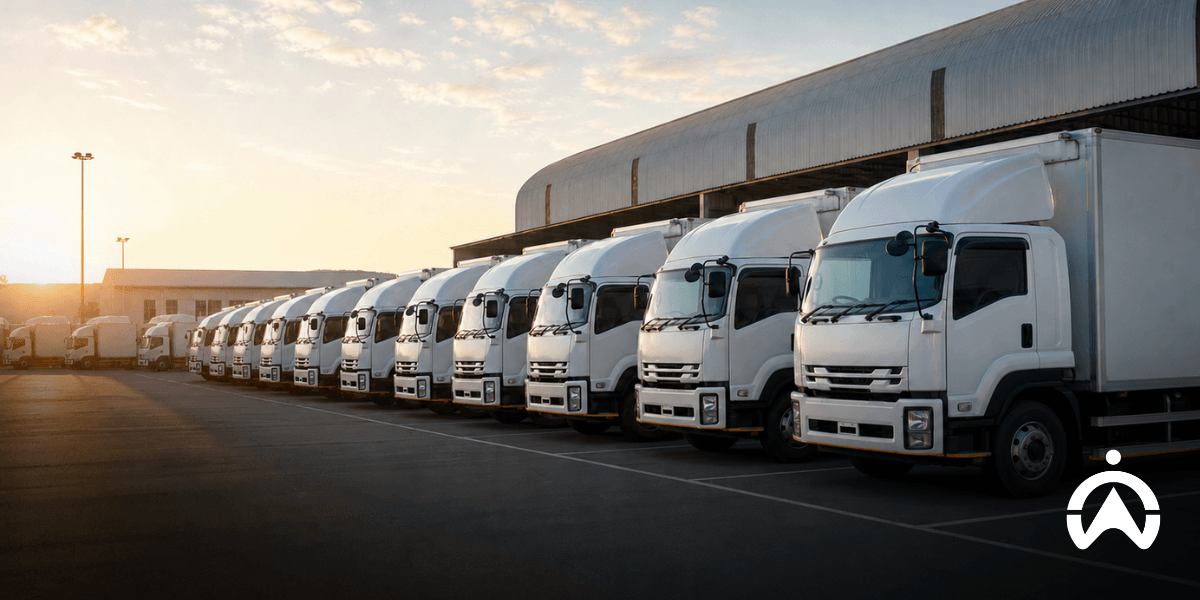
The role of a fleet management system is to essentially help you run your fleet better. Instead of manually checking things like fuel cost, mileage, and service dates, a fleet management system does all that for you. This gives you more accurate data and saves you time so you can direct your attention to other things.
With technology and strategy, you’ll soon start seeing positive changes, and that’s what we’re here for. Our solutions have proven to bring large cost savings to fleet businesses in different industries. We always try to find out what your main concerns are, then tailor our solutions to address them.
The Electronic Road Pricing (ERP) system, which automatically charges drivers for being on the road during peak traffic hours, also contributes to high fleet costs.
From 1 January 2027, the Land Transport Authority will fully implement the new satellite-based ERP 2.0 system. This system will be more accurate in pinpointing congestion rather than being based on specific physical points.
To help you with avoiding those charges, we’ve got route optimisation software. It factors in things like historical traffic patterns and road conditions, then suggests alternative routes your drivers can take to avoid congested roads and paying fees. It also helps reduce fuel costs by giving you more efficient routes and saving your drivers some travel time.
Remember the fuel purchase monitoring we spoke about earlier? Well, we’ve got software that’ll make it easier for you to do this. It’s called MiFleet. This software helps you verify fuel transactions to ensure there’s no theft or fraud.
It factors in things like distance travelled, tank capacity, and the current amount of fuel in the tank. If the numbers on the receipts don’t match the real-time data from the system, the software will flag it so you can investigate further.
MiFleet is a cost management platform, which means it can help you manage other fleet-related expenses like the Certificate of Entitlement (COE) renewals and speeding fines. You can import all your fleet costs into this platform and get a full overview of all your running costs in one place.
To help train your drivers on fuel-efficient driving habits, we’ve got a driver coaching platform. This platform highlights the poor driving habits of each driver and shows you footage of it.
You'll see how many times each driver repeated the same incident so you can organise coaching that’s solely based on that. The coaches can leave notes for each session on the platform so you can see what was discussed and agreed upon, helping you monitor each driver’s progress.
Our AI multivision camera solution is the key to reducing accidents and ensuring the safety of your cargo. You can choose up to eight cameras to install in and around your vehicles. The AI cameras that come with this solution will identify unsafe habits like signs of fatigue, then release audible alerts in real time so your drivers can quickly make changes and avoid causing accidents.
The back cameras help you keep an eye on your cargo, ensuring drivers are handling it well and not causing any damage that could result in the business losing money. You can live stream the footage anytime you please.
To help you implement a successful preventive maintenance programme, we’ve got predictive maintenance technology and maintenance service reminders. Our predictive maintenance technology alerts you to things like engine faults and worn-out brakes so you attend to them as soon as possible.
Our reminders feature helps you ensure you never skip maintenance dates by allowing you to set those reminders on the platform based on thresholds like the distance a vehicle has travelled. Since our system can already read mileage, you’ll get an alert once a vehicle has reached that number of kilometres so you can book it in for servicing.
Servcare Services is a company that specialises in comprehensive pest management solutions for residential, commercial, and industrial clients. The company has many clients around the country, meaning their vehicles are always on the move. With this comes high fuel costs and the pressure of timely arrivals, which may result in drivers rushing to their appointments.
To combat these issues, they partnered with us. They’ve installed fuel sensors in their vehicles and integrated them with our MiFleet solution. Since then, they’ve detected discrepancies between fuel cards and actual locations, noticing multiple refuelling events within short time frames. They also noticed a pattern of constant idling.
After addressing these concerns with their drivers, they’ve seen a 23% reduction in fuel costs and a 17% reduction in idling. Our solutions have increased the company’s operational efficiency by 10%.
Ask for a demo and see the difference our solutions make within a short period of time. Contact us today to see which of our solutions will work best for you.
To lower your fleet’s fuel consumption, you can:
The two major costs for fleet operators are fuel and maintenance. This is why investing in a fleet management system is crucial for efficient operations. A fleet management system helps you closely monitor each vehicle's fuel consumption levels and validate the accuracy of the receipts. It also helps you administer a better maintenance plan with schedule reminders and early warnings of mechanical faults.

Get tips on how to lower your fleet’s running costs, see where you’re going wrong, and find the right technology to help you with this.
