
LTA’s dashcam compliance regulations came into effect during the month of June 2018, and choosing a dashcam that complies to these regulations is a long term investment that’ll pay for itself in various ways. Fleet managers and motorists will be happy to learn that dashcam providers in Singapore can fit your vehicle in a way that’s compliant to the LTA.
As we explore this important topic, you’ll learn about the technology behind AI dashcams, what makes them compliant-friendly, and where you can get the most reliable ones.
The features of your LTA-compliant dashcam are important, but they’re also secondary. LTA compliance has more to do with the way the dashcam is installed, and must adhere to very specific criteria:
An LTA-compliant dash camera should also be provided by an approved & reputable provider within Singapore if used for public transportation.
Each of these criteria have very specific reasons for implementation. Let’s see what these reasons are.
When a car dash camera doesn’t adhere to strict installation guidelines, the wires have a chance of hanging all over the dashboard. This can impede the driver’s ability to control the vehicle, and may even obstruct their view of the road.
Even an on-the-shelf dashcam that comes with a hardwiring kit may not pass the LTA test, because generally speaking, only professionals know how to install them properly. This strict guideline is only one of the reasons why 9 out of 10 motorists in Singapore believe that LTA compliance will help protect motorists.
The vehicle’s windshield must be completely visible after the installation. The camera itself shouldn’t obstruct the driver’s view of the windshield.
This is especially important for a rear camera, because the camera could obstruct the driver’s vision when facing toward the back of the car if installed incorrectly. A professional dashcam installer will always make sure your dash cam isn’t in the way of your line-of-sight.
A backward facing camera picks up faces and records voices, which brings up privacy concerns for anyone using a passenger transport vehicle. That’s why Dr. Amy Khor, Senior Minister of State for Transport, assured Singapore's public that LTA would include data protection adherence in its regulation.
Taxis and e-hailing vehicles need to have locks on their memory cards to stop them from accessing recordings of private individuals. This is to protect the faces and voice recordings of passengers.
The footage can only be accessed in cases of insurance claims, law enforcement investigations or incident reports. This means footage must be well managed by the dash camera service provider in a way that protects passenger privacy. The law states that footage must be deleted within 7 days of the initial recording.

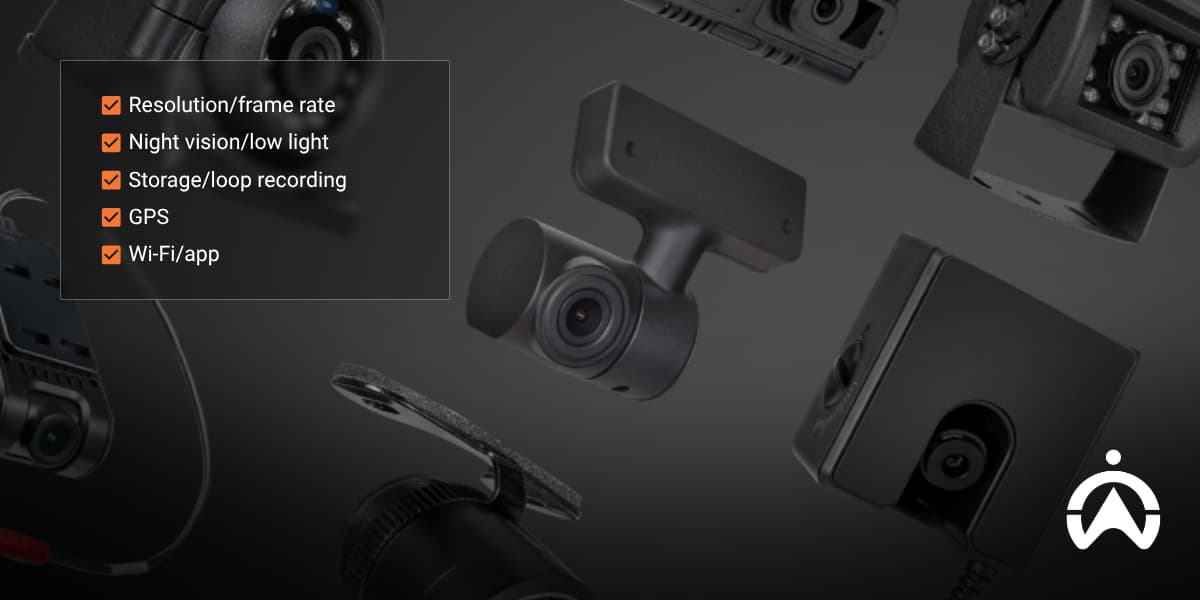
Now that we know how these cameras are installed, let’s look at their features. A camera you purchase online or from an electronic store might not have all of these features, but each of them should be included when you’re browsing for the best one in Singapore.
Whether you’re a private motorist, or a commercial passenger transporter, your best option is selecting a dashcam provider that’s forward-thinking and possesses these.
A camera that doesn’t adequately record at night isn’t going to offer you its intended protection 24/7. If you’re buying a vehicle camera system that records both the front and the back, make sure its recording isn’t impeded by bright lights or dark areas.
Almost all accidents in Singapore are caused by driver errors like distracted driving or fatigue. A good dashcam uses AI to detect signs of these and warn the driver to correct their behaviour or take a break.
Any good dashcam will have a tamper-resistant design that stops criminals or children from damaging it. Even though they’re usually fitted on the inside of the car, the camera device itself should also be robust enough (and well fitted enough) to withstand bumps on the road, extreme weather, and dust.
Vehicle cameras from reputable dashcam providers also come with crash detection technology. If a collision occurs, it sends an alert to a control room, allowing agents to contact you to find out what kind of help you need.
Fines and possible imprisonment (even for first-time offenders) are just a couple of consequences you could face for non-compliance—as a motorist or as a fleet operator. But to understand the risks of not complying with the LTA’s regulations on dashcams, we must first understand what’s illegal and why.
Any modifications done to your dash camera that adds radar detection is strictly forbidden under LTA law. This is sometimes done to alert the driver to speed detection cameras on the road, prompting them to only slow down when speed laws are being enforced with road speed cameras that work with radar sensors.
The reason it’s illegal for your vehicle camera to have radar detection is because it undermines the purpose of those speed-controlling measures. Road users are encouraged to abide by the speeding laws of the country for their own safety and the safety of others.
If you share footage of people that were in your vehicles without their permission, you’ll be in violation of the PDPA. This regulation is mostly directed toward taxi drivers and e-hailing transporters. Passenger faces and conversations are strictly off limits when it comes to sharing them online or with other people.
This doesn’t include faces, number plates or any personal identity information that you might capture with your road-facing dashcams. However, this footage is NOT intended for your personal use, it’s only allowed to be shared in claims cases or legal matters.
Private motorists have a lot more leeway here. They’re allowed to share their dashcam footage. But use your discretion wisely here, as you might open yourself to civil cases if the person’s reputation is somehow compromised.
Motorists and commercial drivers may also not decorate their dashcams with flashing lights. LED lights are also disallowed.
Modifications like live on-screen displays are permitted, but not while the driver is in motion. There is some nuance to this regulation (like dimming the screen display), but it’s best to keep any on-screen displays of dashcam footage off while driving.
In terms of LTA compliance, commercial vehicles may not hardwire their dashcams to other essential electrical systems within the vehicle. This can compromise the safety features of the vehicle.
Besides the adherence to Singapore’s Land Transport Authority, adopting dashcams into your fleets comes with operational perks that’ll help your business compete on a whole new level. You’ll be able to integrate these systems into your driver coaching, your operational objectives, and safety goals.
Dashcams with AI capabilities are brilliant at monitoring your drivers and recording incidents that potentially put them in danger. By analysing facial activity, these cameras detect fatigue, cell phone use, and even subtle distractions like eye aversions.
As a fleet manager, you can implement this kind of footage into your coaching. Footage can be used, analysed for patterns, and used in private coaching sessions with your drivers to promote better safety.
Fleet drivers who find themselves in accidents can’t always prove that they weren’t in the wrong. But dashcams can. Having these fitted across your vehicle fleet ensures that disputes are resolved quickly and honestly.
Extra safety means fewer claims from your fleet’s insurance provider. Fewer claims inevitably lead to lower premiums, and these savings can be significant depending on the number of vehicles you manage.
Insurance companies in Singapore pay close attention to how likely your vehicles are to get into accidents, and if that likelihood is low, your risk profile will go down.
Cartrack stands out as one of the most reliable LTA-compliant dashcam and vehicle camera partners for commercial fleets. Once you buy a high quality dashcam for your vehicle and get it fitted according to the LTA’s regulations, you want compliance to be ongoing—not temporary—which is exactly where we shine. That’s why choosing a reputable vehicle camera provider is paramount.
Tan Soon Huah Gas Supply (TSH) makes hundreds of gas canister deliveries and pick ups every month. One of their biggest concerns was driver safety, and they recognised the need to monitor drivers who frequented residential areas.
Combining Cartrack's Dual Vision vehicle dashcams with our coaching platform, TSH met 100% of their safety targets. They also saw an 82% driver safety achievement and a 40% reduction in speeding incidents.
Cartrack’s devices comply with LTA, and so do our installation methods. We’re the go-to dashcam provider in Singapore for any motorist or fleet manager who wants a professional vehicle camera setup where footage is managed according to Singapore’s LTA regulations.
Contact us today and get a quote on a personal dashcam or an LTA-approved dashcam for your business. We’re standing by to give you the best rate for exactly what you need.
No, a cracked or chipped windshield doesn’t violate LTA regulations on dashcams, but it does violate regular traffic laws. A damaged windscreen is a compromise on safety, which is why you might be stopped and fined if you drive with one.
Hardwired dashcams draw their power directly from the vehicle’s battery. This doesn’t mean your battery will easily become run down if you have a professionally installed dashcam, but you might if the installation is haphazard. While you can get a dashcam with a battery pack, hardwired, subscription-based cameras are better.
As long as your external vehicle cameras aren’t protruding too much from the vehicle, LTA officials shouldn’t be concerned. These cameras also shouldn’t have any extras like additional lights or radar detectors. Decorative LED lights are strictly disallowed and the cameras mustn’t be wired into other features of the vehicle that are essential to the driver’s safety.
Learn where to get the best LTA-complaint dashcam for your car and find out why it’s one of the best things you can do for your safety and business success.
