Oops! Something went wrong while submitting the form.
Keeping your car running smoothly on the road requires regular maintenance. The more you let things slide, the more the damage to your vehicle, and eventually, it might not be good enough to use or sell to anyone.
One way to check the condition of your car is through a roadworthiness test, and we have compiled a checklist that will help you pass the test.
This blog will discuss everything you need to know about roadworthiness and how Cartrack solutions help you stay compliant on the road.
In this article, you will:
Learn what a roadworthy test is
Find out what should be in your roadworthy checklist
Discover how Cartrack can help keep your vehicle roadworthy
What is a roadworthy test?
A roadworthy test, also known as a roadworthy inspection, determines whether the vehicle is safe to drive or not. Every new or used vehicle needs to pass a roadworthy test before it can be licensed in the new owner’s name. The inspection is administered by a trained and registered technician, whose job is to ensure the vehicle is safe to use on the road. A roadworthy test can be done at a public or private testing station. Once completed, the vehicle owner will get a certificate that is generally valid for 60 days.
A vehicle that is roadworthy is less likely to experience breakdowns, which significantly reduces the risk of accidents. For this reason, the mandatory periodic vehicle inspection is a legal requirement in Singapore to ensure that every vehicle meets the safety and emissions standards set and enforced by the Land Transport Authority (LTA). Every vehicle owner must take responsibility for maintaining his or her vehicle regularly. Failing to keep a car roadworthy can also result in fines or penalties if caught by traffic enforcement.
A roadworthy test must be done every time a vehicle changes ownership. If your vehicle is used for public transport or is a heavy-load vehicle (excluding buses), you must take it to be tested for roadworthiness every year before you renew your licence.
The roadworthy checklist every driver needs to know
So how do you know if your car is roadworthy? Well, here are the basic criteria for roadworthiness in Singapore:
Identification: The Vehicle Identification Number (VIN) and engine number recorded on the vehicle must match the LTA's registration records. There must be no evidence of tampering. Any change in the engine or major vehicle components must be officially reported and approved by the LTA and reflected in their records.
Braking system: This is a primary safety check. The service brake (foot brake) and the parking brake must achieve a minimum level of braking efficiency. Inspectors use a roller brake tester to check brake force, balance, and efficiency. Components like brake pads, discs/drums, brake hoses, and brake fluid levels are visually checked for wear, leaks, and functionality.
Suspension and steering: The suspension system must effectively maintain tyre contact with the road and the steering must be accurate and secure. Shock absorbers and springs are checked for leaks, damage, and stability using a shaker plate or suspension tester. The steering wheel play, steering linkages, and joints are checked for excessive wear or looseness. The undercarriage must be free of major structural rust, damage, or leaks (e.g., oil or transmission fluid).
Tyres and wheels: Tyres must be the correct size and in good condition; this includes the spare wheel. They should beinflated to the proper pressure and must have a tread at least 1.6mm deep. There should not be any cuts, bumps, or any other form of damage. If your tyres fail the inspection, you will need to have them repaired or replaced before your vehicle can be deemed roadworthy.
Lights and basic electrics: All lights must work independently and correctly; this includes headlights, fog lights, brake lights, and indicators. They must be securely fitted, with no signs of water leaking into any of them. Also, check for loose or exposed wiring and that all battery clamps are there.
Exhaust and emissions: Check if emission levels meet regulations. There should be no leaks, excessive smoke, or noise coming from the exhaust.
Engine and transmission: Your car’s engine should not have any leaks or damage. The engine and transmission mountings must be intact. Additionally, there should be no loose or damaged wirings, and the transmission must be in good working order.
Bodywork: Inspectors will also conduct an interior and exterior check on your vehicle. The chassis should not show any sign of weakness and the undercarriage must be free of rust. There should be no structural damage that can cause injury to pedestrians or cyclists. Ensure that all doors, mirrors, and bumpers are secure and correctly positioned and that all of your reflectors are intact.
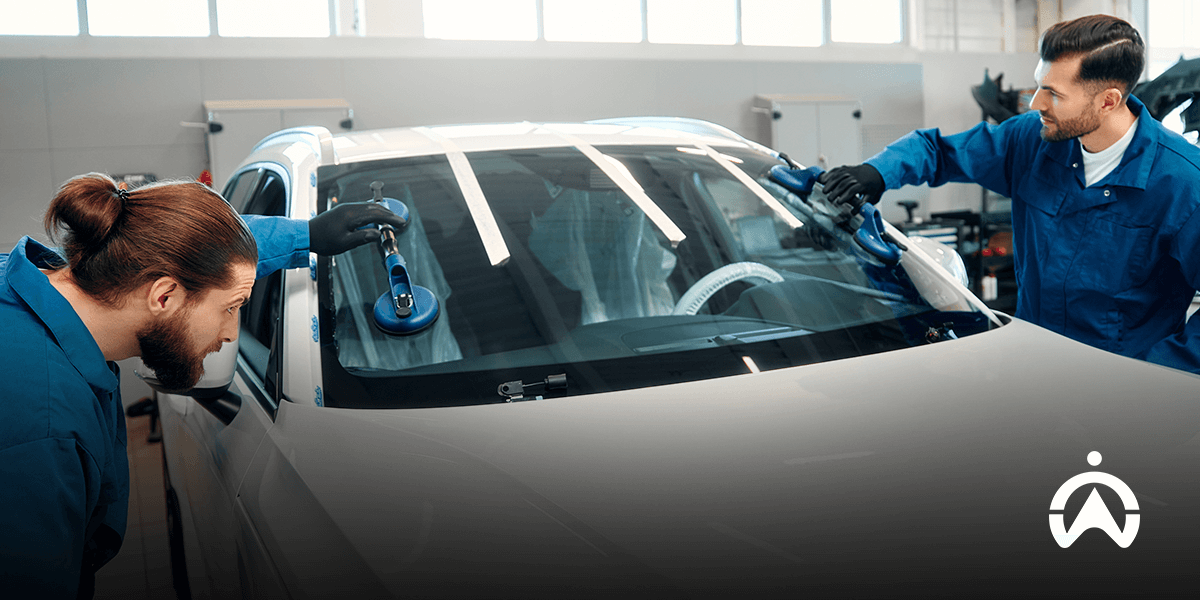
Windscreen and windows: There should be no cracks on the windscreen or any sort of damage obstructing the view. At least one correctly functioning windscreen wiper must be fitted; all windows must open and close properly.
Seatbelts and interior safety features: All seatbelts must be fastened and released with ease, with no cuts or damage. Seats must be securely in place. The odometer, hooter, and speedometer must also be in working order.
What happens if your vehicle fails the roadworthy test?
If your vehicle fails the mandatory inspection, you must rectify all defects identified by the LTA-Authorised Inspection Centre. While there is no strict 14-day rule, you must return for a re-inspection to confirm the issues have been addressed before your road tax expiry date. If you fail to pass the inspection by this date, your road tax cannot be renewed, making it illegal to drive the vehicle on the road. The re-inspection typically focuses only on the failed areas and is usually offered at a reduced fee
How Cartrack solutions help you stay on the road
To ensure that your car remains roadworthy, you need to take care of it on a daily basis. This means improving your driving habits in order to reduce the chances of accidents and vehicle damage. Cartrack not only specialises in location-based tracking; our advanced device also keeps a record of your driving habits. You can log on to the Cartrack mobile app or website to get a full view of driving that could increase vehicle wear and tear, such as speeding, harsh braking, and harsh cornering.
Cartrack also has value-added services that are there to assist you in maintaining or replacing certain car parts, such as:
Roadside assistance Immediate repair prevents further damage. Cartrack’s roadside assistance is a value-added service that comes to the rescue when ever you encounter issues on the road such overheating and, flat tires, and battery problems, reducing the risk of further damage.
Keep your vehicle in top shape with Cartrack
Secure your car and keep it roadworthy with Cartrack’s value-added services. Choose a plan that works best for you and enjoy the benefits. Cartrack specialises in stolen vehicle recovery but also caters to almost all your vehicle needs. Join us today and have one less thing to worry about.
How sure are you that your car is roadworthy? It might look good on the outside, but the inside might tell a different story. What to include in your checklist.